Journal
Dhoti Ceremony Planning in Hyderabad: A Practical Family Guide
A practical guide to planning a dhoti ceremony or panchakattu in Hyderabad, from confirming the ritual flow to managing the home, hall, vendors and guests.
Planning a dhoti ceremony in Hyderabad starts with confirming the family priest’s requirements, the preferred setting and the responsibilities that must be covered on the day. Whether you are considering a home setup or a hall, prepare one written plan for the ritual, venue, decor, vendors, guest movement and family decisions.
Before speaking to a planner, record the preferred date or date range, the priest’s requirements, the expected guest group and the parts of the ceremony that matter most to the family. This gives every provider the same brief and helps you compare planning support rather than decoration pictures alone.
What to confirm about a dhoti ceremony
The meaning, prayers, sequence and clothing customs for a dhoti ceremony can differ between families. Ask the family priest to explain the specific panchakattu or panche kattu requirements before finalising the venue or decor. Confirm the ritual area, seating, materials, clothing changes, offerings, water access and any timing restrictions.
Do not allow a venue checklist or decoration plan to determine the religious flow. Ask the priest to separate essential ritual requirements from optional arrangements, then share the confirmed details with everyone involved in setup and on-day coordination.
A useful first question is: How will the child, parents, grandparents and priest move through the ceremony without being rushed? The answer will affect the room layout, seating, photography position, clothing changes, guest instructions and meal timing.
Step 1: Confirm the ritual before designing the event
Arrange a short discussion with the parents, the child if appropriate, and the family priest. Record:
- The preferred date and ceremony time.
- Whether the event includes a formal panchakattu, a blessing, a puja or other family customs.
- What the priest needs at the venue, including seating, ritual space, materials and access to water.
- Whether the child must change clothing before or after a particular part of the ceremony.
- Which elders need help with arrival, seating or movement.
Ask who will answer questions if the priest changes a requirement. Put that person’s name on the planning sheet so the parents are not repeatedly interrupted with operational decisions.
Step 2: Decide between a home setup and a Hyderabad hall
If you are considering a home ceremony, measure the room where the ritual will happen and the path from the entrance. Check footwear storage, parking, washrooms, ventilation and seating. Decide whether food service, photography and family conversations will share the same area. Confirm where the child can change privately and where the priest can keep ritual materials.
If you are considering a hall, inspect the access route, lift availability, washrooms, changing space, parking and the distance between the entrance, ritual area and dining space. If guests are travelling from Secunderabad, Shamshabad or outside Hyderabad, include their likely arrival time and traffic conditions in the venue discussion.
Ask each shortlisted venue:
- What time can vendors enter for setup?
- Can the ritual space remain clear throughout the ceremony?
- Is seating suitable for grandparents and other guests who need easier access?
- Where can the child change clothing?
- Are there restrictions on lamps, flowers, sound, cooking or outside vendors?
- Who is responsible for opening, closing and checking the premises?
Visit the shortlisted location at approximately the ceremony time. Check sunlight, traffic noise, heat, parking pressure and whether the priest can be heard from the guest seating. These details are easier to address before decor is commissioned.
Step 3: Build a ceremony-first run sheet
A run sheet is the working timetable for the day. Include setup access, priest arrival, family arrival, dressing or clothing changes, photography windows, guest welcome, the ceremony, blessings, group photographs, meal service and pack-down.
Leave practical buffers. A child may need a break, an elder may need assistance and a ritual may take longer when relatives are called forward. Decide who will cue the family, who will update the priest and who will answer vendor calls while the parents remain with the child.
Use a structure such as:
- Before guests arrive: complete the ritual setup, check seating, place the dhoti or panche and confirm materials with the priest.
- Guest arrival: guide elders to their seats and keep the main family available without delaying the ritual.
- Ceremony: keep the ritual area clear, manage photography respectfully and provide the priest with the agreed support.
- After the ritual: plan blessings, family photographs, meal timing and any clothing change.
- Close: collect personal items, settle agreed vendor payments and check transport arrangements for guests who need assistance.
Step 4: Choose decor that supports the panchakattu
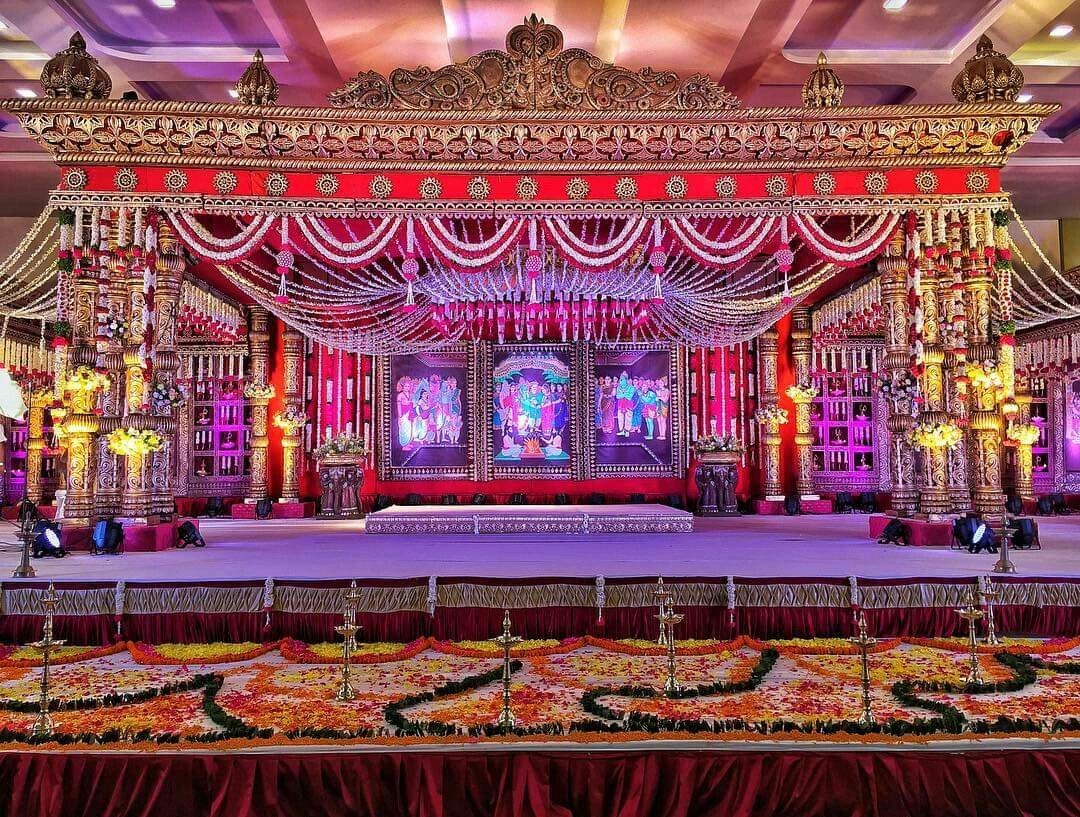
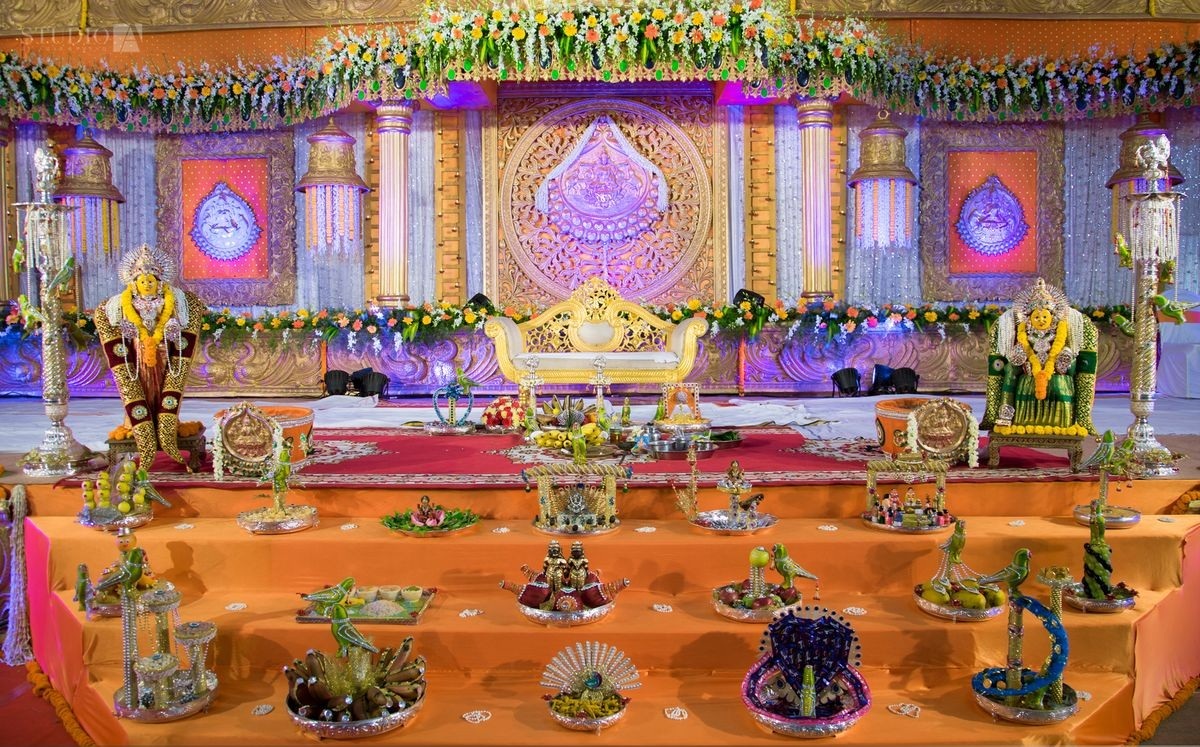
Begin with the ritual area, then plan the entrance, photo background, seating and dining zone. Discuss whether the family wants elements such as marigold flowers, mango-leaf toranalu, brass lamps, banana leaves or a simple fabric backdrop. Use only items that fit the priest’s requirements and the available space.
Check the practical details before approving a design. Will the backdrop block ventilation? Can the photographer move without crossing the ritual space? Are cables covered? Is the child’s seating stable? Can the decor be installed without damaging a rented hall or the family home?
Approve a simple layout drawing or marked-up venue photograph before fabrication. Record the approved dimensions, installation time, removal responsibility and any venue restrictions with the decor provider.
Step 5: Plan clothing, photography and guest comfort together
Check the dhoti, panche, kurta, angavastram or other clothing before the day. Confirm sizing, draping assistance, spare clothing, ironing and a private changing location. If a relative is helping with the drape, put that person on the run sheet rather than assuming they will remember during a busy moment.
Tell the photographer which ritual moments are important and which areas must remain clear. Prepare family groupings in advance, such as grandparents, maternal relatives, paternal relatives, siblings and the full family. This reduces the time the child spends standing after the ceremony.
For guests, identify seating for elders, a quieter area for young children, drinking water, washroom directions and a contact person for relatives travelling from outside the immediate area. The person arranging the event should not also be expected to find every guest, manage the caterer and stay beside the child.
Step 6: Keep budget and vendor decisions visible
List each expected cost category instead of relying on one decoration quotation. Include venue or home setup, decor, priest-related arrangements, clothing support, photography, catering, invitations, guest transport, sound, furniture, return gifts and additional labour or overtime where applicable.
Ask which items are included, which are optional and what could change if the guest estimate moves. Keep one written record of quotations, payment dates, pending decisions and the person responsible for each item. If several relatives are contributing, agree who can approve a change.
Request written scope before booking. The scope should state the setup location, ritual and decor responsibilities, vendor coordination, what is excluded, payment milestones, cancellation terms and the person to contact on the ceremony day.
Questions for dhoti ceremony planners in Hyderabad
Ask practical questions rather than only requesting a decor portfolio:
- Who will speak with the family priest about the specific rite of passage?
- Will the proposed plan cover the home setup or hall arrangement being considered?
- Who manages the run sheet on the day?
- How are vendor quotations, payments and changes recorded?
- Who is the single family contact when the parents are with the child?
- How will the team handle venue access, guest movement, photography and meal timing?
- Which elements are confirmed, and which still need a family or priest decision?
If a planner refers to past work, request material they are permitted to share. Do not treat an unverified social media image as proof that the same team delivered every element shown.
Verified planning information from EthniQ Events
EthniQ Events is a full-service event management and wedding planning company based in Madhapur, Hyderabad, with a second production team in Vijayawada. Its service area covers Hyderabad and Secunderabad, including Madhapur, Gachibowli, Jubilee Hills, Banjara Hills, Kondapur, Kokapet, the Financial District and the ORR belt, as well as Vijayawada and coastal Andhra Pradesh.
For dhoti ceremonies, EthniQ describes ritual coordination and decor planned with the family priest around the specific rite of passage. Its one-plan approach uses a run sheet with times, a budget sheet with every quote and payment, and one person the family calls. On the first call, EthniQ says whether the dates are workable before the family commits to anything.
Review the dhoti ceremony planning page and send a planning enquiry with the date or date range, preferred location, approximate guest group, home or hall preference, priest’s requirements and any confirmed family customs. If another milestone is also being planned, review the birthdays and family celebrations page for related planning information.
Useful next step: make a one-page planning check
Before booking, prepare one page covering date status, priest confirmation, home or hall, guest estimate, ritual sequence, clothing plan, food timing, decor requirements and the person who will manage the day. Ask the planner to respond to the same checklist and mark each item as confirmed, pending or outside scope.
Publisher attribution: This guide is published by EthniQ Events and is intended as general planning guidance. Confirm ritual details with the family priest and verify every vendor, quotation and venue condition in writing.
Questions
Related questions
What should be confirmed before planning a dhoti ceremony in Hyderabad?
Confirm the preferred date, ceremony time, family priest’s requirements, ritual space, clothing changes, expected guest group and whether the event will use a home setup or hall. Record these details in one written brief.
Should a dhoti ceremony be held at home or in a hall?
Compare the available space, parking, washrooms, seating, changing area, guest travel, priest requirements and vendor access. The right choice depends on the family’s confirmed needs and the practical conditions of the proposed location.
What should I ask dhoti ceremony planners in Hyderabad on the first call?
Share the preferred date or date range, location, approximate guest group, home or hall preference, priest’s requirements and confirmed family customs. Ask whether the dates are workable, what is included and who will manage the run sheet.
What is a panchakattu or panche kattu ceremony?
The exact meaning, prayers, sequence and clothing customs should be confirmed with the family priest because requirements can differ between families. Ask the priest to provide the ritual checklist before finalising the venue and decor.